Can eBike Batteries Be Rebuilt? Complete Guide to Battery Restoration in 2026
eBike battery rebuilding replaces degraded lithium-ion cells inside your existing pack while keeping the original casing and management system intact. Professional rebuilds cost $150-$500 compared to $400-$900 for new OEM batteries, making this option 30-50% cheaper for many riders. This guide covers safety requirements, true costs, and when rebuilding makes sense for your situation.
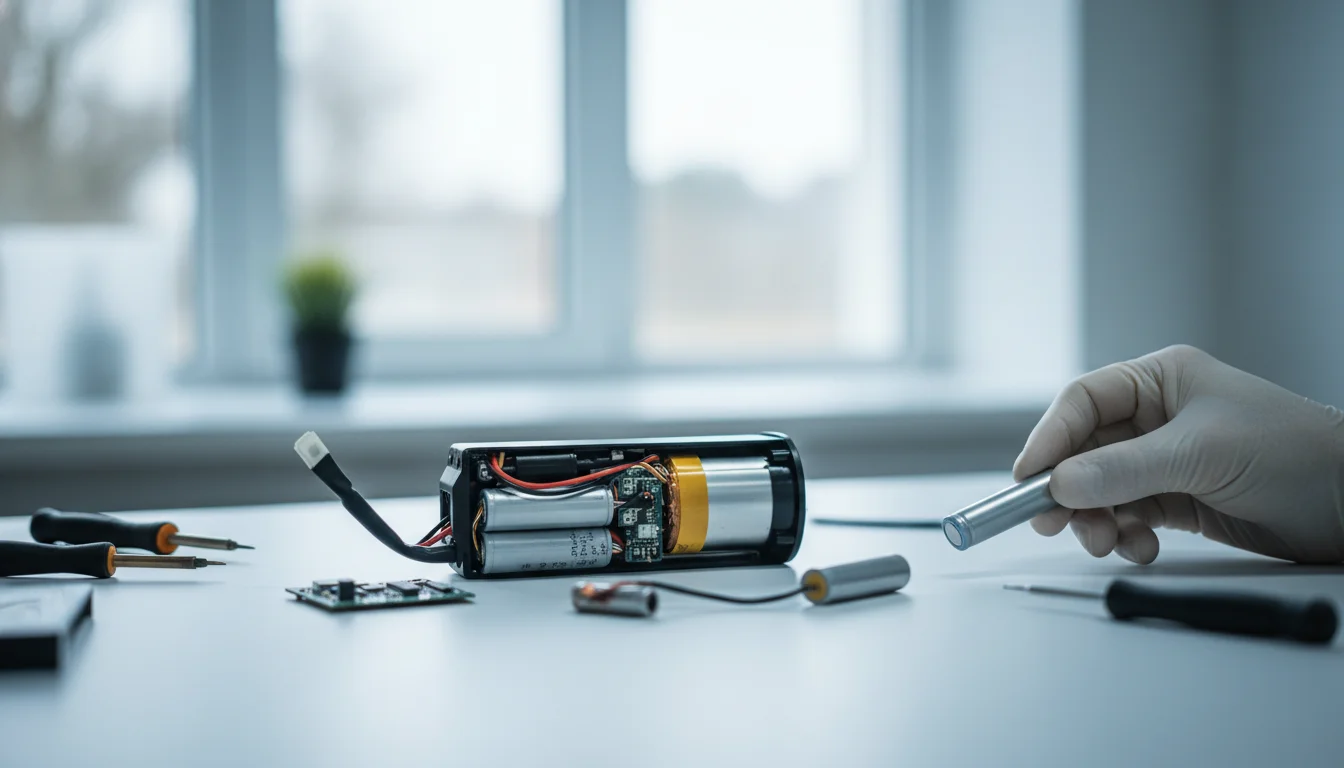
Can eBike Batteries Actually Be Rebuilt?
Yes, eBike batteries can be rebuilt by swapping out worn cells for fresh ones. The process preserves your original battery housing and electronics while restoring capacity to near-new levels.
Rebuilding involves these core steps:
- Opening the sealed battery casing without damaging internal components
- Disconnecting leads and removing degraded 18650 or 21700 cells
- Spot-welding new cells matched to original voltage and capacity specs
- Testing the pack for proper voltage, capacity, and BMS communication
- Resealing the housing for weather protection
Not every battery qualifies for rebuilding. Proprietary designs from some manufacturers use custom casings or software locks that prevent cell access. Integrated BMS units pose another challenge—if the management system fails during disassembly, replacement adds significant cost and complexity.
Battery reconditioning differs from full rebuilds. Reconditioning replaces only faulty cells and rebalances the pack, while full rebuilds swap every cell. Choose reconditioning when diagnostics show isolated cell failures. Opt for a complete rebuild when overall capacity drops below 70% of original specs.
"Rebuilding an eBike battery is entirely feasible and restores it to near-original performance levels," notes Tesway US. For riders with quality original packs, rebuilding extends usable life by 3-5 years at roughly half the replacement cost.
Safety Risks and Precautions for Battery Rebuilding
Lithium-ion cells store tremendous energy in compact packages. Mishandling triggers thermal runaway, where cells vent flammable gases and ignite within seconds.
| Risk Factor | Consequence | Prevention |
|---|---|---|
| Cell puncture | Immediate fire or explosion | Use proper spot welding, never pierce cells |
| Mismatched cells | Uneven discharge, overheating | Match voltage, capacity, and discharge rate exactly |
| Soldering heat | Internal separator damage | Use resistance spot welder only |
| Short circuits | Rapid thermal runaway | Insulate all connections, work methodically |
| Overcharging | Cell rupture and fire | Verify BMS function before reassembly |
Essential safety equipment includes a resistance spot welder rated for battery work. Soldering irons transfer too much heat into cells, damaging the internal separators that prevent short circuits. A fire-resistant workspace with proper ventilation protects against thermal events. Keep a Class D fire extinguisher within reach.
Cell matching matters more than most DIYers realize. Mixing cells with different internal resistances creates hot spots during charge and discharge cycles. According to the European Environmental Bureau, the inability to safely open battery packs remains a key barrier to home repair.
Fair warning: I've seen aftermath photos of garage fires from botched battery rebuilds. The 30-second window between "something's wrong" and "full blaze" leaves zero margin for error.
Cost Comparison: Rebuild vs Buy New Battery
Professional rebuilds run $150-$500 depending on pack size and cell quality. New OEM batteries cost $400-$900 installed. That spread represents real savings in the right situations.
| Cost Factor | Professional Rebuild | New OEM Battery | DIY Rebuild |
|---|---|---|---|
| Base cost | $150-$500 | $300-$800 | $150-$300 (cells only) |
| Installation | Included | $30-$100 | Your time |
| Tools required | None | None | $200-$400 spot welder |
| Warranty | Limited or none | Full manufacturer warranty | None |
| Total typical cost | $150-$500 | $400-$900 | $350-$700 first time |
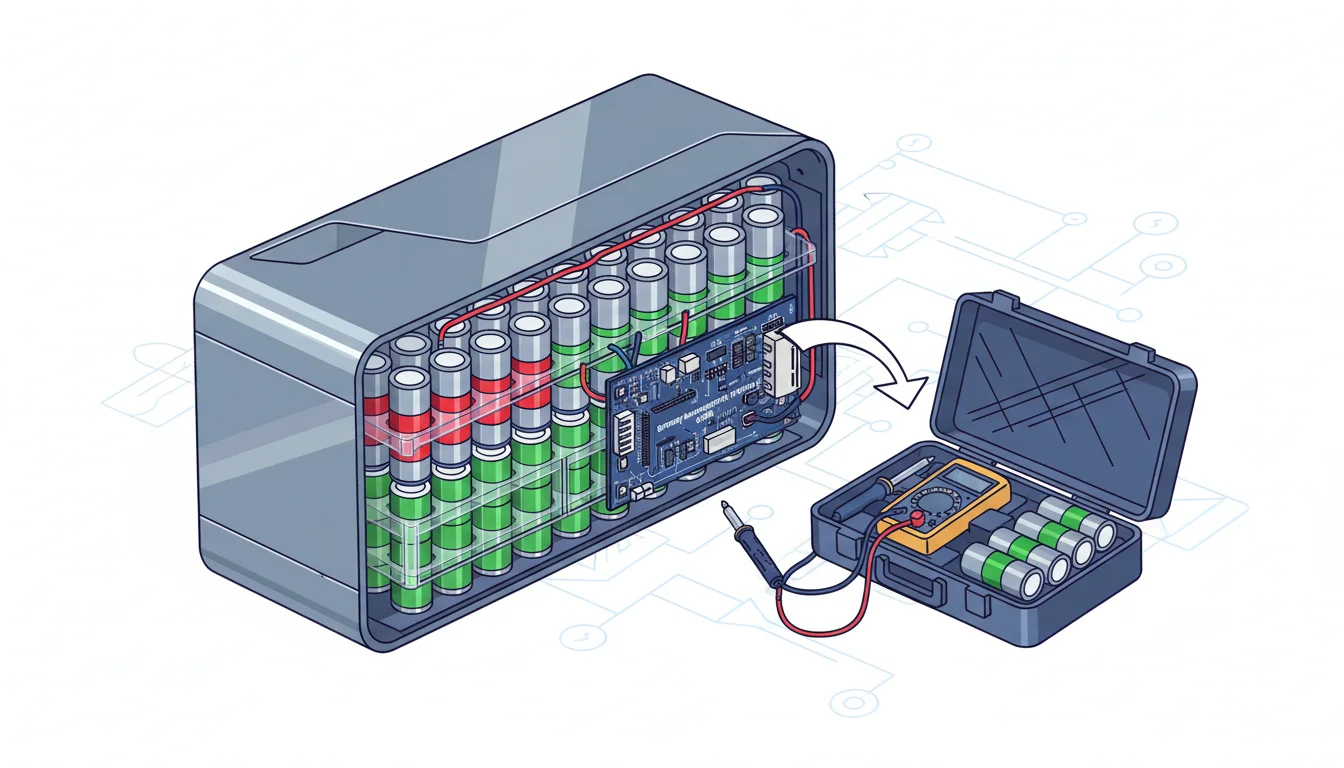
Hidden costs catch people off guard. Shipping heavy battery packs runs $30-$75 each way. Diagnostic fees from some shops add $50-$100 before work begins. Your original warranty dies the moment someone opens that case.
Rebuilding makes financial sense for batteries over 36V/15Ah where OEM replacements exceed $600. Budget batteries under $400 new rarely justify rebuild costs. The math changes if your battery model has been discontinued and compatible replacements don't exist.
Professional eBike Battery Rebuild Services
Professional rebuilders bring specialized equipment, cell sourcing relationships, and experience handling hundreds of packs. Their spot welders cost $2,000 or more. Their cell suppliers provide matched batches with verified specs.
Look for these markers when choosing a service:
- UL certification or equivalent safety credentials
- Verified customer reviews mentioning specific battery brands
- Written warranty on workmanship, even if limited
- Clear communication about cell brands and grades used
- Transparent pricing before shipping your pack
Turnaround typically runs 1-3 weeks including shipping both directions. Some shops offer expedited service for premium fees. Request tracking and insurance on shipments—battery packs require hazmat shipping compliance.
Questions to ask before committing: What cell brand and grade do you use? What testing do you perform after the rebuild? What warranty do you offer? Have you rebuilt this specific battery model before?
The ChamRider reconditioning guide emphasizes that professional services provide safety checks impossible to replicate at home. That peace of mind carries real value.
DIY eBike Battery Rebuild: Is It Worth the Risk?
DIY rebuilding requires serious investment in tools and knowledge before touching your first cell. The learning curve is steep, and the consequences of mistakes are severe.
Required equipment includes:
- Resistance spot welder ($200-$400 minimum for battery-grade units)
- Digital multimeter with millivolt accuracy
- Pure nickel strips (not nickel-plated steel)
- Insulating fish paper and kapton tape
- Cell holders matched to your cell format
- Heat-shrink tubing for final assembly
You need a solid understanding of series and parallel cell configurations. A 48V battery uses 13 cells in series. Each series group contains parallel cells for capacity. Wiring errors create dead shorts or leave cells isolated from BMS monitoring.
Soldering lithium cells is never acceptable. Heat from a soldering iron damages the separator membrane inside cells. This damage shows up weeks later as internal shorts and thermal events. Spot welding fuses nickel to cell terminals in milliseconds without heat penetration.
Legal and insurance implications exist. Homeowner policies typically exclude damage from improperly modified electrical equipment. A house fire traced to your DIY battery rebuild creates serious liability exposure.
The bottom line: DIY rebuilding suits electrical engineers and experienced battery hobbyists. Everyone else should pay professionals or buy new.
When Should You Rebuild vs Replace Your eBike Battery?
The rebuild-or-replace decision depends on your specific battery, bike, and budget situation.
Rebuild when:
- Original battery retailed over $600 and OEM replacement costs are similar
- Battery model is discontinued with no compatible alternatives
- Pack shows capacity loss but no physical damage or swelling
- Environmental impact matters to you
Replace when:
- Original battery cost under $400 new
- Physical damage includes cracks, dents, or cell swelling
- BMS shows error codes or charging irregularities
- Bike itself nears end of useful life
Battery age factors into this decision. Packs over 5 years old with original cells have degraded BMS components too. Rebuilding cells only to have the BMS fail six months later doubles your expense.
According to Doctibike, rebuilding one battery keeps 2-3 kg of lithium-ion waste out of landfills. For riders who log serious miles, that environmental benefit adds up over multiple rebuild cycles.
FAQ
How long does a rebuilt eBike battery last?
Quality rebuilds using name-brand cells deliver 500-800 charge cycles, matching new battery longevity. Expect 3-5 years of regular use before capacity drops below 80% again.
Can I upgrade my battery capacity during a rebuild?
Yes, if the casing accommodates larger cells and the BMS supports higher capacity. Many 10Ah packs can upgrade to 14Ah using higher-density 21700 cells. Discuss options with your rebuilder.
Will rebuilding void my eBike warranty?
Opening the battery voids any remaining battery warranty immediately. Your eBike frame and motor warranties remain unaffected since those are separate components with independent coverage.
How do I know if my battery needs rebuilding?
Range dropping below 60% of original distance signals cell degradation. Batteries that won't hold charge overnight or show erratic capacity readings need professional diagnosis before deciding on rebuild versus replacement.
Are there batteries that cannot be rebuilt?
Some proprietary packs use potted electronics or welded casings that prevent non-destructive access. Batteries with swollen cells, burn marks, or water intrusion damage should be recycled rather than rebuilt due to safety concerns.
What happens to my old cells after rebuilding?
Reputable rebuilders recycle degraded cells through certified e-waste programs. Ask your service provider about their disposal practices. Old lithium cells require proper handling and should never go in household trash.
Share this post
Related Posts
Why Is My Ebike Throttle Not Working? 8 Common Causes and Fixes
Why Is My Ebike Throttle Not Working? 8 Common Causes and Fixes
Can E-Bikes Be Ridden in the Rain? Complete Guide to Wet Weather Riding in 2026
Can E-Bikes Be Ridden in the Rain? Complete Guide to Wet Weather Riding in 2026
Do You Need a Driver's License for an E-Bike? 2026 State-by-State Guide
Do You Need a Driver's License for an E-Bike? 2026 State-by-State Guide