Why Is My Ebike Throttle Not Working? 8 Common Causes and Fixes
A non-responsive ebike throttle stems from electrical connections, battery problems, or sensor malfunctions in roughly 70% of cases. Most failures trace back to loose wiring, corroded connectors, or stuck brake sensors rather than internal component damage. This guide walks through eight diagnostic steps, from quick visual checks to multimeter testing.
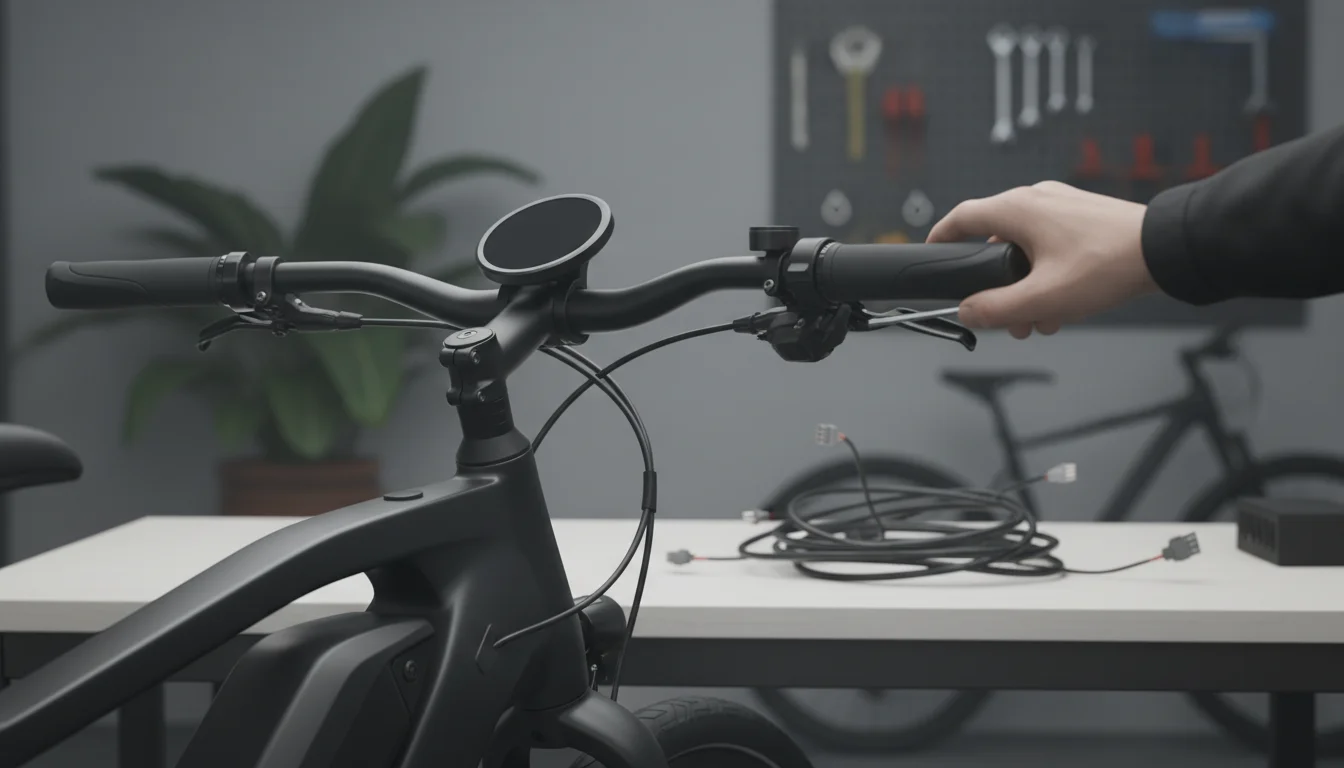
Quick Diagnostic Checklist: Start Here First
Before diving into component-level troubleshooting, five quick checks can eliminate the most obvious causes of throttle failure. These take under two minutes and require no tools.
Run through this sequence:
- Display check: Power on your bike and confirm the display shows battery level. No display means a power delivery problem, not a throttle-specific issue.
- Kill switch position: Many riders forget they bumped the handlebar kill switch. Flip it to the run position.
- Pedal assist test: Engage pedal assist mode and spin the cranks. If the motor responds to pedaling but not the throttle, you've isolated the problem to the throttle circuit.
- Listen for clicks: Twist or press the throttle while listening near the controller. Clicking sounds indicate the throttle signal reaches the controller, but something downstream is failing.
- Pattern recognition: Note whether the throttle never works, works intermittently, or cuts out under specific conditions. Intermittent failures point to loose connections, while complete failure suggests component damage.
This checklist narrows your focus. A dead display sends you to battery connections. Working pedal assist confirms your motor and controller function properly.
Battery Connection and Charge Issues
Low battery voltage triggers a safety cutoff that disables throttle operation on most ebike controllers. This protects you from sudden motor cutouts during acceleration when reserves run critically low.
Check these battery-related causes:
- Charge level: Some bikes disable throttle response below 20% battery. A full charge rules out voltage-triggered lockouts.
- Terminal corrosion: White, blue, or green crusty buildup on battery contacts creates resistance that disrupts throttle signals. Clean terminals with isopropyl alcohol.
- Seating issues: Removable battery packs shift during riding. Press firmly until you hear or feel the locking mechanism engage.
- Voltage verification: Use a multimeter to measure actual battery output. Compare readings to your bike's specifications. A 48V battery reading 42V or lower needs charging or replacement.
One rider reported measuring 41V at the battery terminals but only 31V through a corroded connector, causing the motor to sputter and shut down under load. Cleaning the connector restored full throttle response. Letrigo documents similar voltage drop scenarios in their troubleshooting guide.
Brake Sensor Interference: The Hidden Culprit
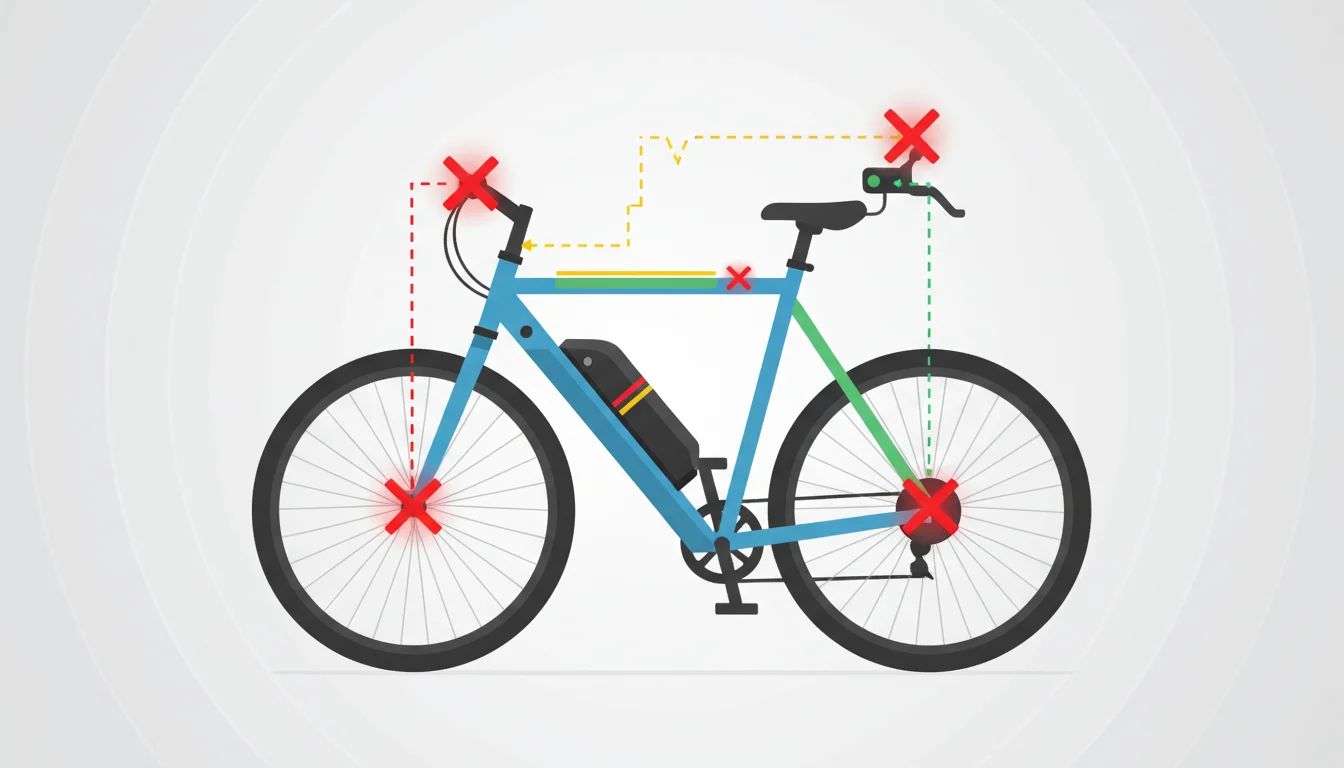
Brake sensors cut motor power the instant you squeeze the levers. When these sensors stick or misalign, your ebike thinks you're constantly braking and refuses throttle input.
Diagnose brake sensor problems:
| Symptom | Likely Cause | Fix |
|---|---|---|
| Throttle dead after brake adjustment | Sensor magnet shifted | Realign magnet 2-3mm from sensor |
| Works after wiggling brake lever | Lever not fully releasing | Adjust cable tension or replace lever |
| Intermittent cutouts on bumpy roads | Loose sensor mount | Tighten mounting bolts |
| Constant throttle lockout | Failed sensor | Disconnect to test, replace if confirmed |
Here's the fastest diagnostic: unplug both brake sensors from the controller and test your throttle. If it suddenly works, you've found your problem.
Fair warning: riding without brake sensors removes a safety feature. Use this test only for diagnosis, then repair or replace the faulty sensor before your next ride. MacFoxBike recommends this disconnect test as the definitive brake sensor diagnostic.
Wiring and Connector Problems
Loose, corroded, or damaged wiring causes more throttle failures than any other single factor. Vibration, moisture, and mechanical stress degrade connections over months of riding.
Systematic inspection process:
- Trace the full cable path: Follow your throttle wire from handlebar to controller. Look for cuts, abrasions, or pinch points where the cable passes through the frame.
- Connector inspection: Unplug each connector in the throttle circuit. Check for bent pins, green corrosion, or moisture residue inside waterproof housings.
- Reseat all connections: Even clean-looking connectors fail from microscopic gaps. Disconnect and firmly reconnect every plug between throttle and controller.
- Stress point examination: Wires near handlebars flex constantly during steering. Check for internal breaks where the outer insulation looks intact but the copper inside has fractured.
- Corrosion cleaning: Apply electrical contact cleaner to corroded pins. Use a soft brush for heavy buildup, then wipe with a lint-free cloth.
Internal wire breaks are sneaky because the insulation hides the damage. Gently flex the wire while someone watches the display. If readings flicker or the throttle works momentarily, you've found a hidden break that needs splicing or cable replacement.
Throttle Sensor Testing and Replacement
Hall effect sensors inside your throttle convert mechanical movement into voltage signals. These sensors wear out over time, and testing them requires a multimeter set to DC voltage around 20V.
Testing procedure:
| Wire Color (typical) | Function | Expected Reading |
|---|---|---|
| Red | 5V power supply | 4.5-5.5V constant |
| Black | Ground | 0V |
| Green/White/Yellow | Signal | 0.8-1.2V at rest, 3.8-4.2V at full twist |
Probe between the ground and signal wire while slowly twisting the throttle. Voltage should rise smoothly from around 1V to 4V. Jumpy readings, stuck values, or no change indicate internal sensor failure.
Replacement considerations:
- Match voltage: Most throttles use 5V systems. Verify before purchasing.
- Connector compatibility: Take photos of your existing connector. Many throttles use similar 3-pin plugs with different pin arrangements.
- Type selection: Twist throttles fail from grip fatigue, while thumb throttles wear at the pivot. Half-twist designs split the difference.
Replacement throttles cost $15-40 and install in under 30 minutes. Rictor provides detailed voltage testing tutorials with photos of common failure patterns.
Controller Diagnostics
Your controller processes throttle signals and commands motor output. When it fails, you lose all motor functions or experience erratic behavior that mimics throttle problems.
Controller failure indicators:
- Error codes: Check your display for fault codes. Most manufacturers publish code meanings in their manuals.
- Selective function loss: Working pedal assist with a dead throttle suggests corrupted firmware or damaged throttle input circuitry.
- Heat damage: Controllers mounted near motors or batteries can overheat. Look for melted plastic, a burnt smell, or discolored components.
- Water intrusion: Controllers sealed in the frame can still fail from condensation. Check for moisture inside the housing.
Controller diagnosis gets complicated fast. If your throttle, wiring, sensors, and battery all test good, the controller becomes the prime suspect. Some controllers accept firmware updates that restore throttle function after glitches, while others require full replacement.
Professional diagnosis makes sense here. Shops have spare controllers for swap testing, which saves you from buying a $150 part that might not fix the problem.
When to Seek Professional Help
DIY troubleshooting handles most throttle problems, but some situations demand professional intervention for safety and cost-effectiveness.
Call a shop when:
- Burning smell: Electrical burning indicates active damage. Continued use risks fire.
- Multiple failed components: Replacing the throttle, controller, and wiring can exceed many bikes' value.
- Warranty coverage: Unauthorized repairs void protection. Document issues and contact your dealer first.
- High voltage systems: Systems at 48V and above carry shock risk. Respect your limits.
Cost comparison:
| Approach | Typical Cost | Best For |
|---|---|---|
| DIY throttle replacement | $20-50 | Confirmed throttle failure |
| Shop diagnosis | $50-100/hour | Unknown cause after basic checks |
| Controller replacement (pro install) | $150-300 | Confirmed controller failure |
One hour of shop time identifies problems that take DIYers entire weekends. If you've worked through this guide without success, professional diagnosis often saves money compared to guessing at parts replacements.
FAQ
Why does my ebike throttle work sometimes but not others?
Intermittent throttle failure almost always traces to loose connections or damaged wiring. Vibration creates microscopic gaps at connector pins. Flex testing along the cable path while watching for response changes pinpoints the fault location.
Can I bypass my ebike throttle and use only pedal assist?
Most ebikes function normally in pedal assist mode with a disconnected throttle. Unplug the throttle connector at the controller and secure the loose end. This eliminates any throttle-related errors while you source replacement parts.
How do I know if my ebike throttle or controller is bad?
Voltage testing at the throttle connector provides definitive answers. If your throttle outputs the correct voltage (1-4V range varying with input) but the motor doesn't respond, the controller or motor is faulty. No voltage output means the throttle itself has failed.
Does rain damage ebike throttles?
Water intrusion destroys throttle sensors over time. Sealed connectors resist casual splashing but fail against pressure washing or prolonged immersion. Dry your bike after wet rides and apply dielectric grease to connector seals annually.
Why did my ebike throttle stop working after a crash?
Impact damage affects throttle function in three ways: bent connector pins, internal handlebar wiring breaks, and controller damage from frame flex. Inspect the throttle housing for cracks and trace wiring from handlebars to controller for hidden damage.
How long do ebike throttles typically last?
Quality throttles last 3-5 years or 10,000+ miles under normal use. Twist throttles wear faster than thumb throttles due to grip friction. Exposure to moisture, extreme temperatures, and frequent maximum-input use shortens lifespan significantly.
Can I upgrade from a thumb throttle to a twist throttle?
Throttle upgrades work when voltage and connector specifications match. Most ebike systems use 5V throttles with 3-pin connectors. Verify your controller accepts the replacement throttle's signal range before purchasing, as some controllers require programming adjustments for different throttle types.
Share this post
Related Posts
Can E-Bikes Be Ridden in the Rain? Complete Guide to Wet Weather Riding in 2026
Can E-Bikes Be Ridden in the Rain? Complete Guide to Wet Weather Riding in 2026
Do You Need a Driver's License for an E-Bike? 2026 State-by-State Guide
Do You Need a Driver's License for an E-Bike? 2026 State-by-State Guide
How Does an E-Bike Conversion Kit Work? Complete Guide for 2026
How Does an E-Bike Conversion Kit Work? Complete Guide for 2026