Can I Wash My E-Bike With a Hose? Safe Cleaning Guide for 2026
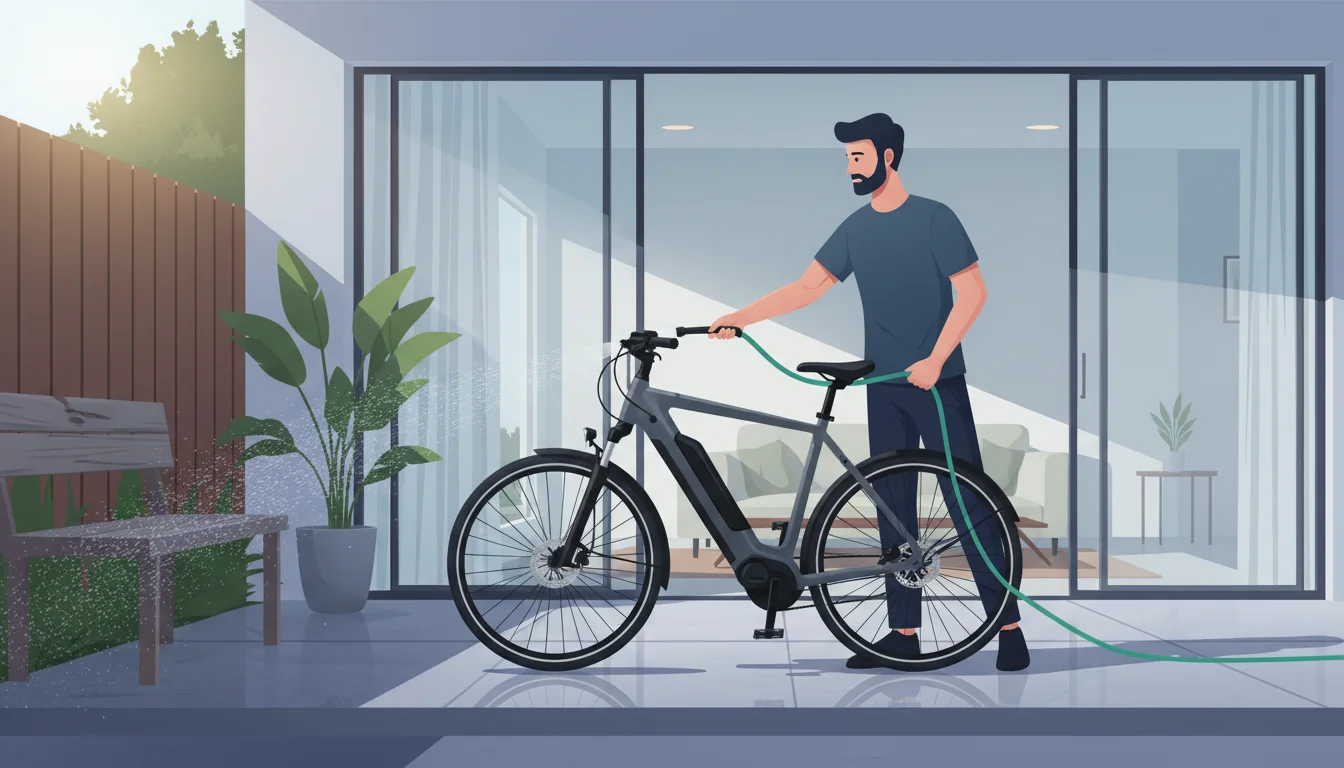
E-bikes feature IP ratings that protect electrical components from water exposure, but these ratings assume water comes from above like rain—not from direct horizontal spray. Most e-bikes carry IP54 or IP65 ratings, meaning they resist splashing water but aren't waterproof against pressurized streams. This guide covers safe hose washing methods, pressure limits, step-by-step cleaning, and post-wash care to keep your e-bike running smoothly.
Understanding Your E-Bike's Water Resistance Rating
Your e-bike's Ingress Protection rating determines how much water exposure it can safely tolerate. The first digit indicates dust protection, while the second shows water resistance. IP54 means protection against dust ingress and splashing water from any direction. IP65 offers complete dust protection and resistance to low-pressure water jets.
| IP Rating | Dust Protection | Water Protection | Safe for Hose Washing? |
|---|---|---|---|
| IP54 | Protected against dust | Splashing water | Yes, with caution |
| IP65 | Dust-tight | Low-pressure jets | Yes, low pressure only |
| IP67 | Dust-tight | Immersion up to 1m | Yes, but still avoid pressure |
Here's the critical distinction: water-resistant means your bike handles rain and puddles during normal riding. It doesn't mean you can blast it with a pressure washer. These ratings also assume water hits from above, mimicking natural rainfall.
Older e-bikes need extra caution. Seals degrade over time from UV exposure and regular use. A three-year-old bike with an IP65 rating won't perform like it did when new. Check your owner's manual for the exact rating and any manufacturer-specific washing guidelines.
Safe Water Pressure Levels for E-Bike Cleaning
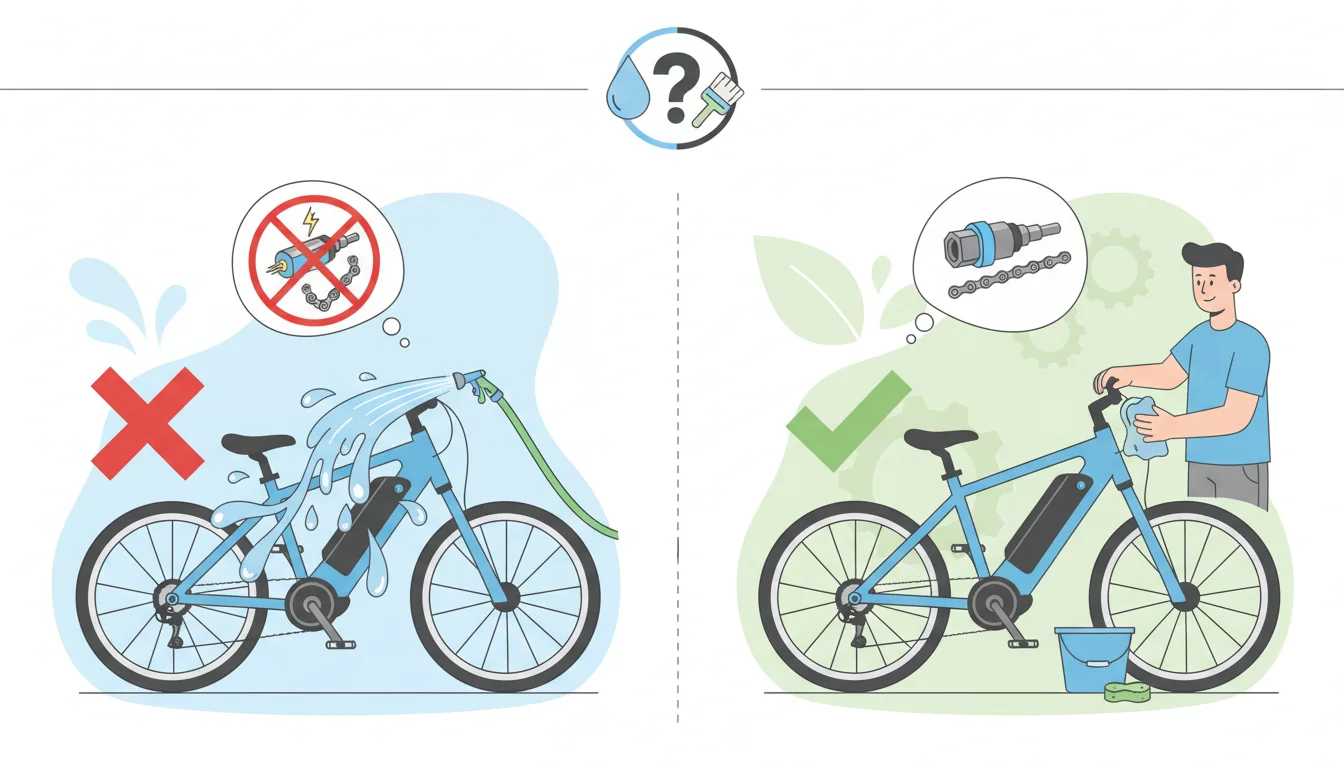
Can I wash my ebike with a hose safely? Yes, but keep pressure below what heavy rain delivers. Standard garden hoses output 40–60 PSI at full flow—already higher than recommended for e-bike electrical components.
| Water Source | Pressure Level | E-Bike Safety | Recommended Use |
|---|---|---|---|
| Heavy rainfall | Natural/minimal | Safe | Reference standard |
| Garden hose, low setting | 10–20 PSI | Safe | Routine washing |
| Garden hose, full flow | 40–60 PSI | Risky | Avoid on electronics |
| Pressure washer | 1,500+ PSI | Dangerous | Never use |
The shower or mist setting on your hose nozzle works best. These settings deliver gentle spray patterns that clean effectively without forcing water past protective seals. Jet settings concentrate water pressure into a narrow stream, and that focused pressure pushes past the weatherproof seals guarding your motor, battery, and controller.
I learned this the hard way watching a friend's display flicker after he used a jet setting near the handlebars. The motor still worked, but the head unit needed replacement. Trust me—the gentle approach saves money.
According to I Cycle Ltd, professional mechanics at events like the Tour de France use pressure washers on conventional bikes because teams replace components frequently. That approach doesn't work for personal e-bike ownership, where you need components lasting years, not days.
Step-by-Step Guide to Washing Your E-Bike With a Hose
Remove the battery first and store it somewhere dry. This single step eliminates the primary electrical hazard. Turn off the bike completely before any water touches the frame.
Preparation Steps:
- Power down the e-bike completely
- Remove the battery and store it in a dry location
- Cover the charging port with a waterproof cap or electrical tape
- Check that all port covers are secured
- Remove any range extender batteries if equipped
Washing Process:
- Pre-rinse from top down at 3–4 feet distance using low-pressure spray
- Apply bike-specific cleaner to the frame using a soft sponge
- Avoid spraying soap directly on motor housing, display, or battery compartment
- Use a soft-bristled brush for wheels and frame surfaces
- Clean the drivetrain with a dedicated brush and bike-specific degreaser
- Let the degreaser sit for five minutes before scrubbing chain and cassette
- Rinse thoroughly from above, allowing water to run down naturally
The top-down approach matters. Water flowing downward mimics rain and works with the bike's drainage design. Spraying upward forces water into areas designed to shed moisture, not receive it.
According to Liv Cycling, keeping extra distance when rinsing near hubs, pivot bearings, headsets, and all electrical connections is essential. These components tolerate incidental moisture but not direct spray.
What to Avoid When Washing Your E-Bike
High-pressure water sources cause the most e-bike washing damage. Power washers and jet nozzle settings force water past weatherproof seals designed to handle splashing, not penetration.
Never Do These:
- Use a pressure washer on any part of the bike
- Spray directly at the motor, display, battery contacts, or controller
- Wash the bike upside down or on its side
- Clean immediately after riding while components are still hot
- Use household cleaners like Comet or Ajax
- Apply petroleum-based products near rubber seals
- Reinstall the battery before the bike is completely dry
The upside-down warning surprised me initially. Motors and batteries drain water naturally while the bike stays upright and moves. Flipping it traps water inside compartments that have no other drainage path. According to Liv Cycling, pooled water inside motors causes internal damage that isn't immediately visible.
Hot components create another risk most riders overlook. Sudden temperature changes from cold water on hot motors and batteries stress materials and seals. Wait at least 15 minutes after riding before washing.
Harsh chemicals strip protective lubricants and damage paint. Bike-specific cleaners cost a few dollars more but protect the plastics on your motor housing, battery case, and control unit. They're worth it.
Drying and Post-Wash Maintenance
Thorough drying prevents corrosion in electrical connections and keeps bearings healthy. Bounce the bike gently on both wheels to shake water from hard-to-reach areas. This simple trick removes trapped water from inside the frame tubes and around pivot points.
Drying Checklist:
- Bounce the bike on the ground to shake loose trapped water
- Wipe the frame with clean microfiber towels
- Pay extra attention to bolts and electrical connections
- Use compressed air around buttons, ports, and display edges
- Dry the battery compartment completely before reinstalling
- Wait a minimum of 30 minutes before reconnecting the battery
- Inspect all seals and ports for visible water intrusion
Chain lubrication timing matters. Apply lube only after the chain dries completely. Wet chains dilute lubricant and carry water into the roller pins where rust starts. A dry chain accepts lube properly and distributes it through the entire drivetrain.
Check brake rotors and pads after washing. Water contaminated with soap residue affects braking performance. Spin each wheel and apply the brakes a few times to verify they grab properly. Any squealing or reduced stopping power indicates contamination that needs addressing.
According to Liv Cycling, applying contact cleaner to electrical contacts after drying prevents corrosion from any remaining moisture. This extra step takes two minutes and protects expensive components.
Alternative Cleaning Methods: Hose vs Bucket vs Wipes
Each cleaning method suits different situations and dirt levels. Matching the method to the mess prevents unnecessary water exposure while getting your bike clean.
| Method | Water Exposure | Control Level | Best For |
|---|---|---|---|
| Bucket and sponge | Minimal | Highest | Regular maintenance, light dirt |
| Hose with gentle spray | Moderate | Medium | Muddy rides, heavy grime |
| Bike cleaning wipes | None | Complete | Quick cleanups, electrical areas |
| Combined approach | Varies | Customized | Thorough cleaning with protection |
The bucket method gives you the most control. Wring out the sponge to manage exactly how much water contacts each area. This works great for weekly maintenance when the bike isn't caked in mud.
Hose washing becomes necessary after trail rides in wet conditions. Dried mud clings to everything and requires more water volume to remove. Use the gentle spray approach outlined above.
Bike cleaning wipes handle the display, controls, and battery compartment safely. Keep a pack in your garage for quick wipedowns of electrical areas before using any water nearby.
My preferred approach combines all three: wipes first on electronics, bucket and sponge for the frame, gentle hose spray for wheels and drivetrain. It takes slightly longer but keeps water away from sensitive components entirely.
FAQ
How often should I wash my e-bike?
Wash after every muddy or wet ride to prevent grit from grinding into bearings and drivetrain. For dry-condition riding, every 2–4 weeks maintains appearance and helps you catch developing issues. Over-washing strips lubricants and accelerates wear.
Can I ride my e-bike through puddles safely?
Yes, e-bikes handle puddles and rain during normal riding. The motion keeps water from pooling, and IP ratings protect against this exposure. Avoid submerging the motor or battery compartment in deep water.
What happens if water gets in my e-bike motor?
Water in the motor causes corrosion on internal components and electrical connections. Symptoms include unusual noises, reduced power, or complete failure. Dry the bike immediately and contact a certified technician if you suspect water intrusion.
Should I remove the battery every time I wash my e-bike?
Removing the battery provides the safest approach for any washing method. If you're using only wipes or a damp cloth on the frame, leaving a secured battery in place poses minimal risk. Any hose or bucket washing warrants battery removal.
Can I use car wash soap on my e-bike?
Avoid car wash products that contain wax or gloss enhancers. These leave residue on brake rotors, causing poor stopping performance. Mild dish soap diluted in water works acceptably, but bike-specific cleaners remain the safest choice.
How do I know if my e-bike has water damage?
Watch for flickering displays, error codes, reduced range, unusual motor sounds, or intermittent power cutoffs. Corrosion around battery contacts or inside the charging port also indicates water intrusion. Address symptoms immediately to prevent spreading damage.
Is it safe to wash my e-bike in winter?
Cold weather washing requires extra caution. Water freezes in small spaces and expands, potentially cracking seals. Wash in a garage or wait for temperatures above freezing. Dry thoroughly, since cold air slows evaporation.
Share this post
Related Posts
Why Is My Ebike Throttle Not Working? 8 Common Causes and Fixes
Why Is My Ebike Throttle Not Working? 8 Common Causes and Fixes
Can E-Bikes Be Ridden in the Rain? Complete Guide to Wet Weather Riding in 2026
Can E-Bikes Be Ridden in the Rain? Complete Guide to Wet Weather Riding in 2026
Do You Need a Driver's License for an E-Bike? 2026 State-by-State Guide
Do You Need a Driver's License for an E-Bike? 2026 State-by-State Guide