Do E-Bike Batteries Catch Fire? Facts, Risks, and Prevention Tips for 2026
E-bike batteries use lithium-ion cells that store significant energy—and yes, they can catch fire under specific conditions. London recorded 134 e-bike fires by September 2026, the highest annual total on record. This guide covers fire statistics, causes, warning signs, and prevention steps to keep you safe.
How Common Are E-Bike Battery Fires?
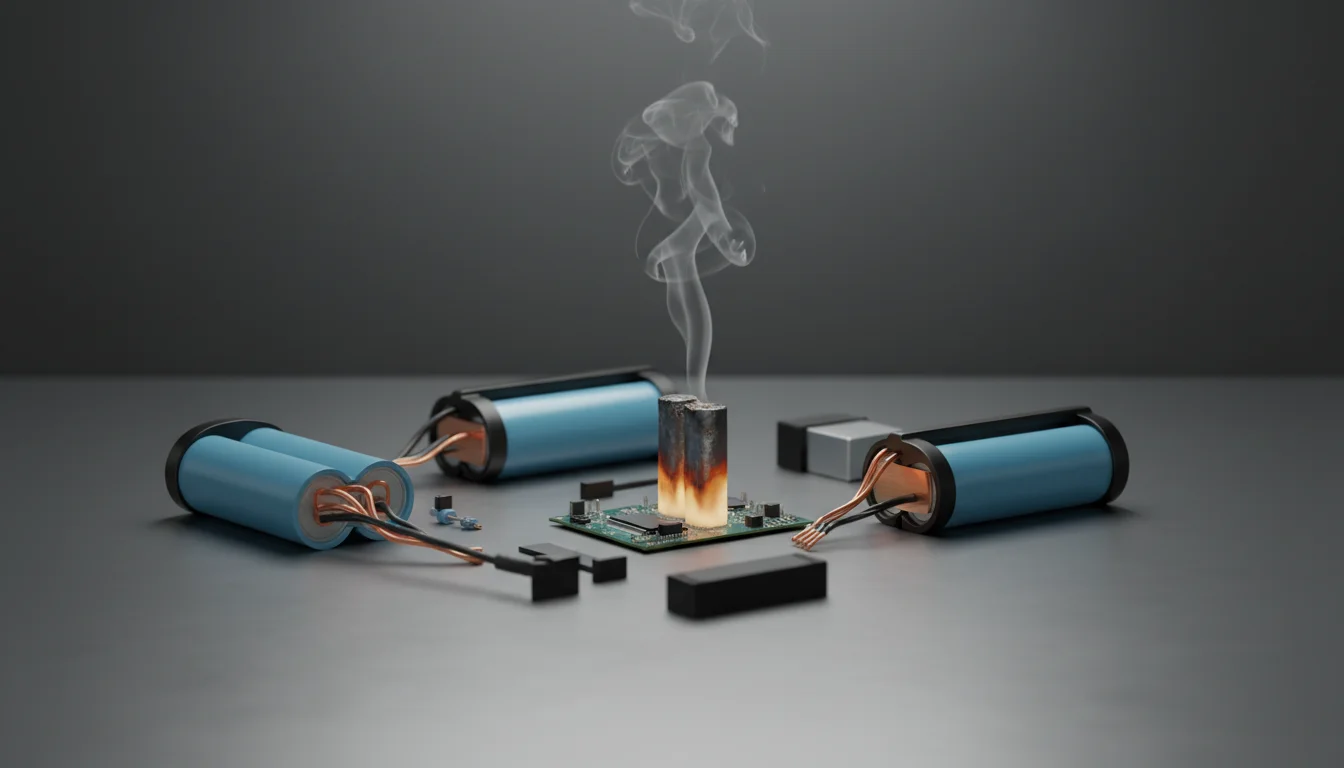
Do e-bike batteries catch fire at alarming rates? The overall risk remains low but is climbing steadily. Roughly 1 in 15,000 e-bikes experiences a fire incident, with nearly all cases linked to lithium-ion battery failures.
| Hazard Type | Annual Fire Incidents | Injury/Fatality Rate |
|---|---|---|
| E-bike batteries (NYC, since 2022) | 800+ fires | 30 deaths, 400+ injuries |
| Clothes dryers (US) | 15,000 fires | Moderate injury rate |
| Cell phone batteries (US) | Handful of incidents | Very low |
| E-bikes (London, 2026) | 165 projected | Rising fatalities |
These numbers demand attention. UK lithium-ion battery fires jumped 93% between 2022 and 2024. San Diego logged 104 e-bike battery fires in 2023 alone. The London Fire Brigade reports that these fires spread rapidly and release toxic fumes, making them deadlier than typical household fires.
Most incidents trace back to cheap, uncertified, or damaged batteries. Fire departments now issue regular warnings, and some cities have banned e-bikes from certain buildings entirely.
What Causes E-Bike Batteries to Catch Fire?
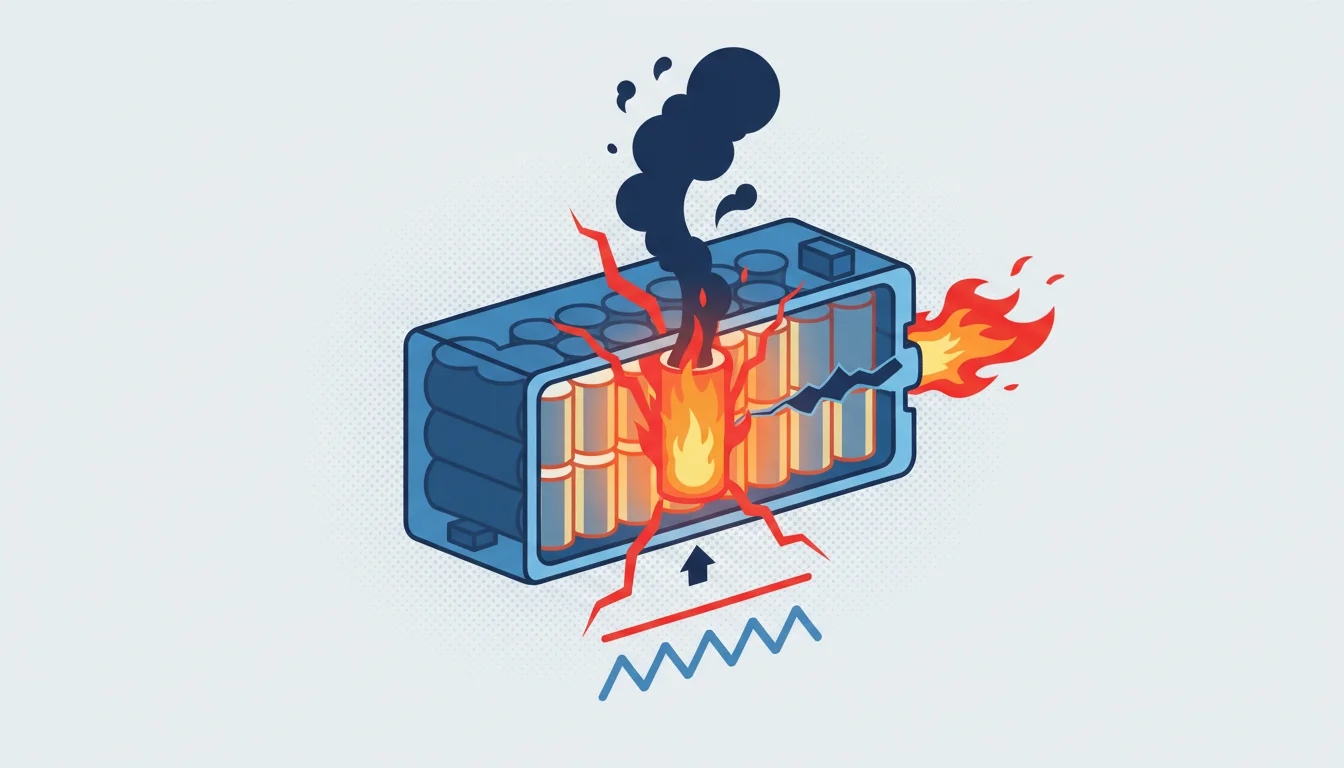
Lithium battery thermal runaway triggers most e-bike fires. This chain reaction begins when one cell overheats, causing neighboring cells to fail in a rapid cascade that releases extreme heat and flammable gases.
Manufacturing defects in cheap batteries create internal weak points. Poor-quality cells lack consistent construction, leaving gaps where short circuits develop. Budget batteries often skip the rigorous testing that premium brands require.
BMS failures remove your primary safety net. The Battery Management System monitors voltage, temperature, and charge levels. When this system fails or gets bypassed, nothing prevents overcharging from pushing cells past their limits.
Physical damage compromises battery integrity instantly. A single drop can create micro-fractures in cell casings. Water exposure corrodes internal connections. Even minor dents may deform cells enough to trigger shorts during charging.
Incompatible chargers deliver incorrect voltage or amperage. Generic chargers lack the communication protocols that tell the battery when to stop accepting current. A charger that looks identical to the original means nothing about its actual output specifications.
Charging damaged batteries accelerates failure. Compromised cells already sit at the edge of stability, and adding energy pushes them over. The CPSC warns that batteries exposed to water and debris become unpredictable and dangerous.
Warning Signs Your E-Bike Battery May Be Unsafe
Stop using any battery showing physical changes or performance drops. These warning signs indicate internal damage that often precedes thermal runaway.
- Swelling or bulging of the battery case signals gas buildup from decomposing cells
- Excessive heat during charging or riding suggests internal resistance problems
- Chemical smells like burning plastic indicate insulation breakdown
- Sudden range loss points to dead cells that stress the remaining ones
- Visible dents or corrosion mean structural compromise
- Erratic power delivery shows BMS or cell connection failures
A battery showing any single symptom needs immediate retirement. The cost of replacement pales against the risk of a fire starting at 2 AM while your family sleeps.
Dan Madrzykowski from UL Fire Safety Research Institute puts it plainly: larger batteries release more energy when they fail, spreading fire faster and causing greater damage. Consumer Reports recommends moving any suspect battery outside immediately and calling professionals if smoke appears.
How to Prevent E-Bike Battery Fires
Use only manufacturer-provided chargers and certified replacements. This single rule prevents most charging-related fires by ensuring proper voltage regulation and shutoff protocols.
- Never charge unattended or overnight while sleeping in the same building
- Store batteries at 32–77°F (0–25°C) away from sunlight and heat sources
- Wait 30 minutes after riding before plugging in a warm battery
- Inspect before every ride for new dents, swelling, or loose connections
- Buy UL 2849 certified batteries from established brands only
- Replace immediately when any warning sign appears
- Charge in a fireproof container or metal box for extra containment
Proper charging habits may feel inconvenient at first—setting a timer, staying awake during charge cycles, checking battery condition daily. However, these steps become automatic within a week.
Aventon Bikes and CalBike emphasize that fire incidents connect to misuse rather than inherent lithium-ion technology flaws. Following manufacturer guidelines eliminates most risk factors entirely.
Cheap vs Quality Batteries: Is the Risk Worth the Savings?
Budget batteries cut corners on the components that prevent fires. The savings disappear instantly when a $200 battery burns down a $400,000 home.
| Factor | Cheap Battery ($150–300) | Quality Battery ($400–800) |
|---|---|---|
| Cell quality | Generic, inconsistent | Brand-name, matched cells |
| BMS sophistication | Basic or missing features | Multi-layer protection |
| Certifications | Often absent or fake | UL 2849, UL 2271, EN 15194 |
| Warranty | 6 months or none | 2–3 years standard |
| Fire risk | Significantly elevated | Industry baseline |
DIY battery builds carry even higher risk. Without professional spot-welding equipment and cell-matching tools, homemade packs develop hot spots that can evolve into thermal runaway triggers.
Look for UL certification marks on both battery and charger. Reputable brands like Bosch, Shimano, Yamaha, and Bafang invest heavily in safety engineering. The UL Standards organization reports that NYC e-bike fire deaths declined after UL certification became law.
What to Do If Your E-Bike Battery Catches Fire
Evacuate everyone immediately and call 911. Do not attempt to move, unplug, or extinguish a burning lithium battery yourself.
- Get out first and close doors behind you to slow fire spread
- Alert neighbors in multi-unit buildings since fumes travel fast
- Never use water as it reacts violently with burning lithium
- Class D extinguishers or dry sand work if you catch ignition early
- Stay distant after flames stop because lithium fires reignite unpredictably
- Let firefighters handle it since they have protective equipment
Pamela Oparaocha from the London Fire Brigade describes the consequences as devastating. Toxic vapor from burning batteries requires a specialized response. Your job is evacuation, not firefighting.
FAQ
How long do e-bike batteries last before becoming a fire risk?
Quality batteries maintain safety for 500–1,000 charge cycles, typically 3–5 years of regular use. Degradation accelerates with improper storage, extreme temperatures, and deep discharges. Replace batteries showing capacity loss beyond 30% of their original range.
Are e-bike fires covered by homeowners insurance?
Most policies cover fire damage regardless of cause. However, some insurers now ask about e-bike ownership and charging practices. Check your policy for lithium battery exclusions and document your battery's certification status for potential claims.
Should I remove the battery when not using my e-bike?
Yes, especially for long-term storage. Keep batteries at 40–60% charge in a cool location separate from the bike. This reduces strain on cells and limits damage if a fire occurs to one component or the other.
Do e-bike battery fires produce toxic smoke?
Lithium battery fires release hydrogen fluoride, carbon monoxide, and other toxic gases. These fumes cause respiratory damage and require evacuation even before visible flames appear. Firefighters treat these incidents as hazmat situations.
How do I safely dispose of an old e-bike battery?
Take batteries to designated hazardous waste facilities or retailer take-back programs. Never place them in regular trash or curbside recycling. Damaged batteries require special handling, so call ahead to confirm the facility accepts lithium-ion units.
Are e-bikes banned in apartments due to fire risk?
Several cities now prohibit e-bike storage and charging in residential hallways and common areas. New York City implemented strict rules after fatal apartment fires. Check local ordinances and building policies before purchasing.
Do conversion kit batteries have higher fire risk?
Conversion kits from unverified sellers frequently use uncertified batteries lacking proper BMS protection. Stick with kits from established manufacturers that include UL-certified battery packs. The convenience of a cheap kit conversion carries serious safety tradeoffs.
Share this post
Related Posts
Why Is My Ebike Throttle Not Working? 8 Common Causes and Fixes
Why Is My Ebike Throttle Not Working? 8 Common Causes and Fixes
Can E-Bikes Be Ridden in the Rain? Complete Guide to Wet Weather Riding in 2026
Can E-Bikes Be Ridden in the Rain? Complete Guide to Wet Weather Riding in 2026
Do You Need a Driver's License for an E-Bike? 2026 State-by-State Guide
Do You Need a Driver's License for an E-Bike? 2026 State-by-State Guide