Which E-Bike Batteries Are Safe? A Complete Guide to Certified Brands and Safety Standards
E-bike batteries rely on lithium-ion technology that demands specific safety certifications and quality manufacturing to prevent fires and failures. Battery fires in the UK nearly doubled between 2022 and 2024, with e-bikes accounting for 27% of all lithium-ion battery incidents. This guide covers which e-bike batteries are safe, the certifications that matter, and how to identify trustworthy brands.
What Makes an E-Bike Battery Safe?
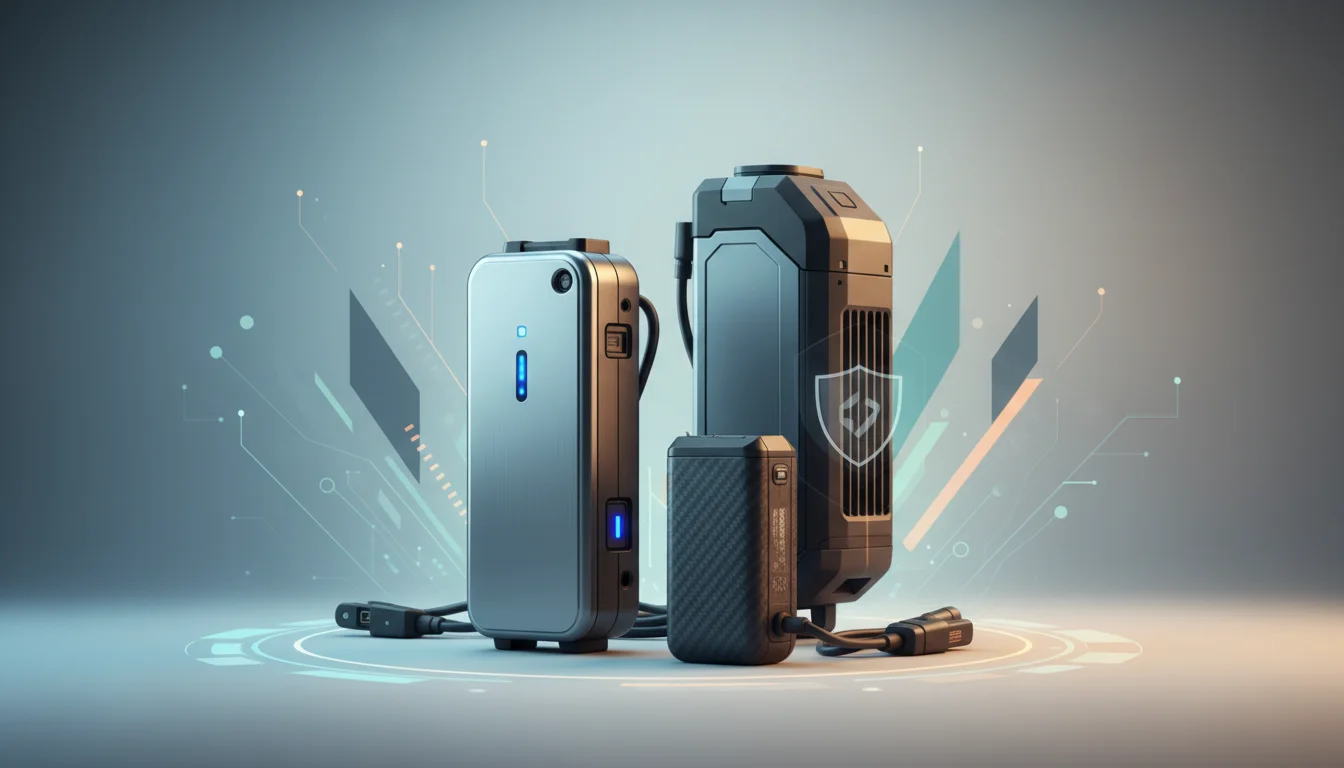
Safe e-bike batteries combine high-quality cells from trusted manufacturers with sophisticated Battery Management Systems and third-party safety certifications.
The foundation starts with lithium-ion cells. Samsung SDI, LG Chem, and Panasonic produce cells with superior chemistry stability and rigorous quality controls. These cells undergo extensive testing for internal short circuits and thermal runaway resistance before reaching the market.
A Battery Management System handles the real-time safety work:
- Cell voltage monitoring prevents overcharging and deep discharge
- Temperature sensors detect overheating before it becomes dangerous
- Current limiters block power spikes that damage cells
- Emergency disconnect enables rapid shutdown during faults
- Short circuit protection stops current flow instantly when needed
Physical design matters too. Robust housing protects against punctures, drops, and environmental exposure, while proper thermal management dissipates heat during charging and discharging cycles.
Third-party testing ties everything together. UL 2271 and UL 2849 certifications verify that batteries perform safely under stress conditions like overcharge, vibration, water exposure, and physical impact. Starting January 2026, California will require all e-bike batteries to meet these standards. Movcan Bike Blog details the upcoming requirements.
Understanding E-Bike Battery Safety Standards: UL 2849, UL 2271, and EN 15194
Three primary certifications govern e-bike battery safety, each testing different aspects of electrical system performance and fire prevention.
| Standard | Scope | Key Tests | Regional Use |
|---|---|---|---|
| UL 2849 | Complete e-bike electrical system | Battery, charger, motor, controller integration; fire hazards; electrical shock; mechanical stability | North America, California requirement |
| UL 2271 | Lithium battery packs only | Overcharge, short circuit, extreme temperatures, impact, crushing | North America, NYC mandatory |
| EN 15194 | Electrically power-assisted cycles | Electrical system functionality; limited battery-specific testing | Europe, accepted in California |
UL 2849 provides the most comprehensive protection. Testing evaluates how all components interact together rather than examining individual parts in isolation. A battery and charger might each pass separate tests but create hazards when combined—UL 2849 catches these integration failures.
UL 2271 focuses specifically on battery pack safety. Tests subject batteries to extreme abuse scenarios, including overcharging beyond rated capacity, intentional short circuits, temperature cycling from freezing to extreme heat, and drop impacts. Batteries must prevent fire or explosion under all conditions.
EN 15194 works differently. This European standard addresses overall e-bike electrical functionality but does not cover battery safety as thoroughly as UL standards. European manufacturers typically add EN 50604-1 or EN 62133-2 certifications for battery-specific safety validation.
Verifying certification requires checking product documentation for official UL marks. The UL database allows consumers to confirm whether specific products hold active certifications. Momentum Biking explains how to look up certified products.
Trusted E-Bike Battery Brands and Manufacturers
Major motor system manufacturers produce the safest integrated battery solutions, with Bosch, Shimano, and Yamaha leading the industry.
| Brand Type | Examples | Safety Features | Price Range |
|---|---|---|---|
| Motor System Manufacturers | Bosch, Shimano, Yamaha | Full UL certification, proprietary BMS, factory integration | Premium |
| Certified E-Bike Brands | Trek, Specialized, Aventon, Rad Power Bikes | UL 2849 certified complete systems, authorized service | Mid to Premium |
| Cell Manufacturers | Samsung SDI, LG Chem, Panasonic | Industry-standard cells used in certified packs | Component level |
| Budget/Unknown | Various marketplace sellers | Often no certification, unknown cell origin | Low |
Bosch's smart BMS technology protects against overload, overheating, and over-discharging while extending battery lifespan. Tern Bicycles uses Bosch systems and undergoes unannounced third-party site inspections to verify ongoing compliance. Tern Bicycles details their safety verification process.
Certain red flags should stop any purchase immediately: unknown brand names, prices significantly below market rates, missing certification documentation, and vague cell origin information all indicate potential danger. The savings from a $200 battery versus a $600 certified pack disappear when your garage catches fire.
Reputable brands invest millions in safety testing and certification. They maintain recall procedures, honor warranties, and carry liability insurance. Budget manufacturers skip these expenses, passing the risk directly to you.
E-Bike Battery Fire Hazards: Causes and Warning Signs
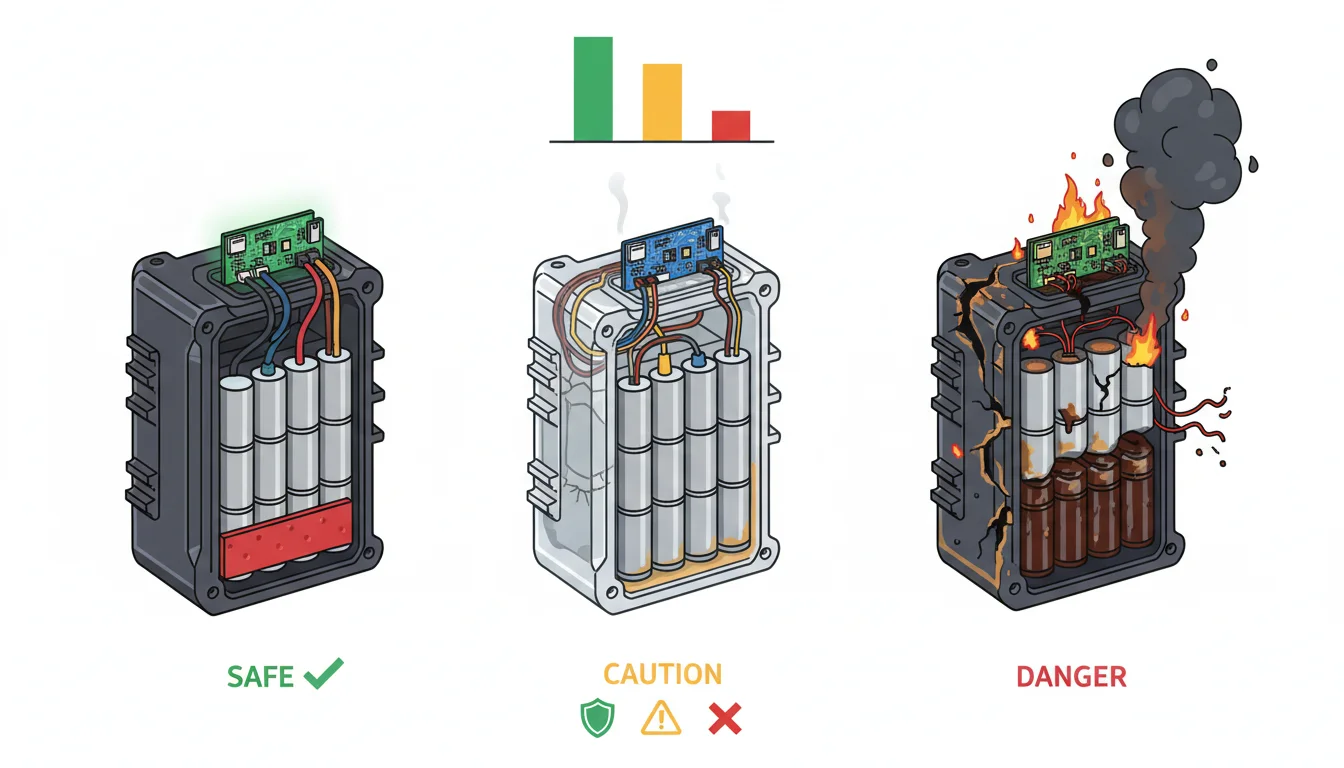
Most e-bike fires occur during charging and result from thermal runaway—a chain reaction where battery cells overheat and ignite neighboring cells.
Common causes of battery fires:
- Manufacturing defects in cell construction or BMS programming
- Physical damage from drops, crashes, or improper storage
- Improper charging using wrong chargers or damaged cables
- Counterfeit batteries with substandard cells and fake certifications
- Water intrusion corroding internal connections
- Modified or DIY packs lacking proper BMS protection
Warning signs that demand immediate action:
- Swelling or bulging of the battery case
- Unusual heat during charging or storage
- Strange odors, especially chemical or burning smells
- Decreased range indicating cell degradation
- Charging irregularities like failure to reach full charge
The CPSC issued warnings about specific Rad Power Bikes batteries due to fire hazards from damage and water intrusion. CPSC tracks active warnings in their recalls database. Affected owners received replacement instructions, demonstrating why buying from established brands matters.
Cheap replacement batteries pose the highest risk. Sellers source cells from unknown manufacturers, skip BMS quality controls, and apply fake certification labels. London Fire Brigade reported 178 e-bike fires in 2024 alone, with uncertified batteries cited as primary contributors. London Fire Brigade projects over 500 incidents in 2026.
How to Choose a Safe E-Bike Battery: Buyer's Checklist
Verify certification before anything else. Look for UL 2849 or UL 2271 marks on the battery itself and confirm them in the UL database.
Before purchase, verify:
- UL 2849 or UL 2271 certification visible on battery
- Certification confirmed in official UL database
- Authorized dealer or manufacturer direct sale
- Price consistent with market rates for certified batteries
- Complete documentation including warranty and safety certifications
- Manufacturer has established recall procedures
- Cell manufacturer identified as Samsung, LG, or Panasonic
Questions to ask sellers:
- Where are the battery cells manufactured?
- What UL certifications does this specific battery hold?
- What is your warranty and recall process?
- Do you provide the original manufacturer charger?
Suspiciously low prices always indicate compromised safety. A certified 500Wh battery from a reputable brand costs $400–700. Marketplace listings at $150–250 cut corners somewhere—usually everywhere.
Avoid third-party replacement batteries without certification entirely. Your original manufacturer battery costs more because they invested in proper BMS engineering, quality cells, certification testing, and liability coverage. ClimateAction Center provides additional verification resources.
Battery Maintenance Tips for Long-Term Safety
Proper maintenance extends battery life and prevents the degradation that leads to fire hazards.
Charging safety practices:
- Use only the charger provided by your manufacturer
- Never charge unattended or overnight
- Charge in a location away from flammable materials
- Stop charging immediately if the battery feels unusually hot
- Unplug when charging completes rather than leaving it connected
Storage guidelines:
- Keep batteries between 50–80% charge for long-term storage
- Store at room temperature, avoiding freezing or extreme heat
- Never leave batteries in direct sunlight or hot vehicles
- Keep away from moisture and humidity
Inspection routine:
- Check for case damage, cracks, or deformation monthly
- Look for swelling or bulging before each charge
- Inspect the charging port for corrosion or debris
- Monitor range performance for sudden decreases
Samsung e-bike batteries typically last 2–3 years before degradation becomes a safety concern. We Love Cycling recommends proactive replacement rather than pushing batteries past their safe lifespan. A $500 replacement costs far less than fire damage.
FAQ
How do I verify if my e-bike battery is UL certified?
Check the battery label for UL certification marks, then search the UL Product iQ database using the product name or certification number. Legitimate certifications appear in official records with manufacturer details and certification scope.
Are replacement e-bike batteries from Amazon safe?
Most third-party batteries sold on marketplaces lack proper certification. Stick to manufacturer-authorized replacements or batteries with verifiable UL 2271 certification. Prices significantly below market rate indicate uncertified products.
What should I do if my e-bike battery starts swelling?
Stop using the battery immediately and do not charge it. Move it to a non-flammable surface away from buildings, then contact your manufacturer for disposal instructions. Many fire departments accept swollen lithium batteries for safe disposal.
Can I use any charger with my e-bike battery?
No. Use only the charger provided by your e-bike manufacturer. Chargers must match the battery's voltage and charging profile. Incompatible chargers cause overcharging, overheating, and fires.
How long do e-bike batteries remain safe to use?
Quality batteries maintain safety for 2–4 years or 500–1,000 charge cycles under normal use. Performance degradation, reduced range, and charging irregularities indicate it's time for a replacement. Do not push batteries past their rated lifespan.
Does UL 2849 certification guarantee my e-bike won't catch fire?
Certification significantly reduces risk but cannot eliminate it entirely. Certified systems have passed rigorous abuse testing. However, proper maintenance, correct charging practices, and avoiding physical damage remain essential safety factors.
Are Bosch e-bike batteries safer than other brands?
Bosch consistently ranks among the safest due to integrated BMS technology, extensive testing, and UL 2849 certification across their systems. Other major brands like Shimano and Yamaha meet similar standards. Unknown brands without certification present the highest risk.
What causes e-bike batteries to catch fire?
Thermal runaway triggers most fires. Damaged cells, overcharging, manufacturing defects, and counterfeit components cause internal short circuits. Heat builds until cells ignite, spreading to neighboring cells. Proper BMS prevents most thermal runaway scenarios in certified batteries.
Share this post
Related Posts
Why Is My Ebike Throttle Not Working? 8 Common Causes and Fixes
Why Is My Ebike Throttle Not Working? 8 Common Causes and Fixes
Can E-Bikes Be Ridden in the Rain? Complete Guide to Wet Weather Riding in 2026
Can E-Bikes Be Ridden in the Rain? Complete Guide to Wet Weather Riding in 2026
Do You Need a Driver's License for an E-Bike? 2026 State-by-State Guide
Do You Need a Driver's License for an E-Bike? 2026 State-by-State Guide