Which Ebikes Have Torque Sensors? Complete 2026 Buyer's Guide
Torque sensors measure pedaling force and adjust motor assistance proportionally, creating smooth power delivery that cadence sensors simply cannot match. Brands like Aventon, Lectric, Specialized, and Trek offer torque sensor ebikes ranging from $1,200 to over $6,000. This guide covers which ebikes have torque sensors, how the technology works, and which models fit your budget.
What Is a Torque Sensor and How Does It Work?
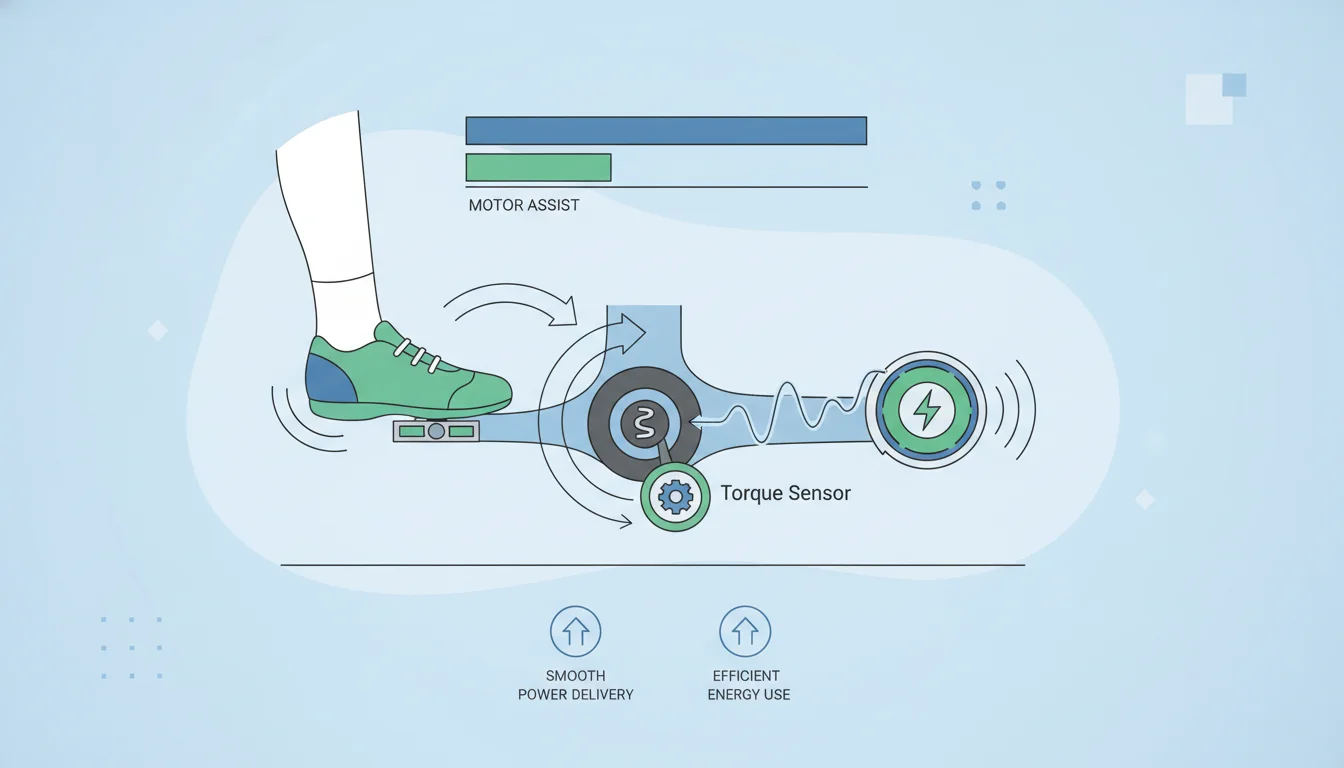
Strain gauge technology inside the bottom bracket measures how hard you push the pedals, then signals the motor to deliver matching power hundreds of times per second.
The sensor samples your pedaling effort continuously. Push harder up a hill, and assistance increases instantly. Ease off on a descent, and motor output drops to match. This real-time response creates a natural pedaling feel that mimics traditional cycling.
Most manufacturers integrate torque sensors into the crankset area or bottom bracket housing. This placement protects the sensor from road debris and weather while keeping it close to the power source. The result is pedal assist that feels intuitive rather than robotic.
Riders transitioning from acoustic bikes notice the difference immediately. There's no lag between effort and assistance—the motor becomes an extension of your legs rather than a separate system fighting against your rhythm.
Torque Sensor vs Cadence Sensor: Key Differences
Cadence sensors detect rotation only, triggering preset power levels regardless of how hard you pedal. Torque sensors measure actual force, delivering proportional assistance that scales with your effort.
| Feature | Torque Sensor | Cadence Sensor |
|---|---|---|
| Power Delivery | Proportional to pedal force | Fixed levels when pedaling detected |
| Response Time | Instant (hundreds of samples/second) | 0.5-2 second delay |
| Battery Efficiency | Higher (power matches need) | Lower (constant output) |
| Price Premium | +$300-$800 | Baseline |
| Ride Feel | Natural, like a regular bike | On/off, can feel jerky |
| Best For | Hills, commuting, fitness | Flat terrain, casual rides |
The battery efficiency advantage matters for longer rides. Torque sensors don't waste power during light pedaling or coasting, while cadence systems push full assistance the moment pedals move, draining batteries faster.
Serious riders find the investment worthwhile. Casual riders covering flat terrain on short trips might prefer the savings of cadence-based systems. ElectricBikeReview notes that mid-range torque sensor bikes hit the sweet spot for most commuters seeking reliability without premium pricing.
Top Ebike Brands with Torque Sensors in 2026
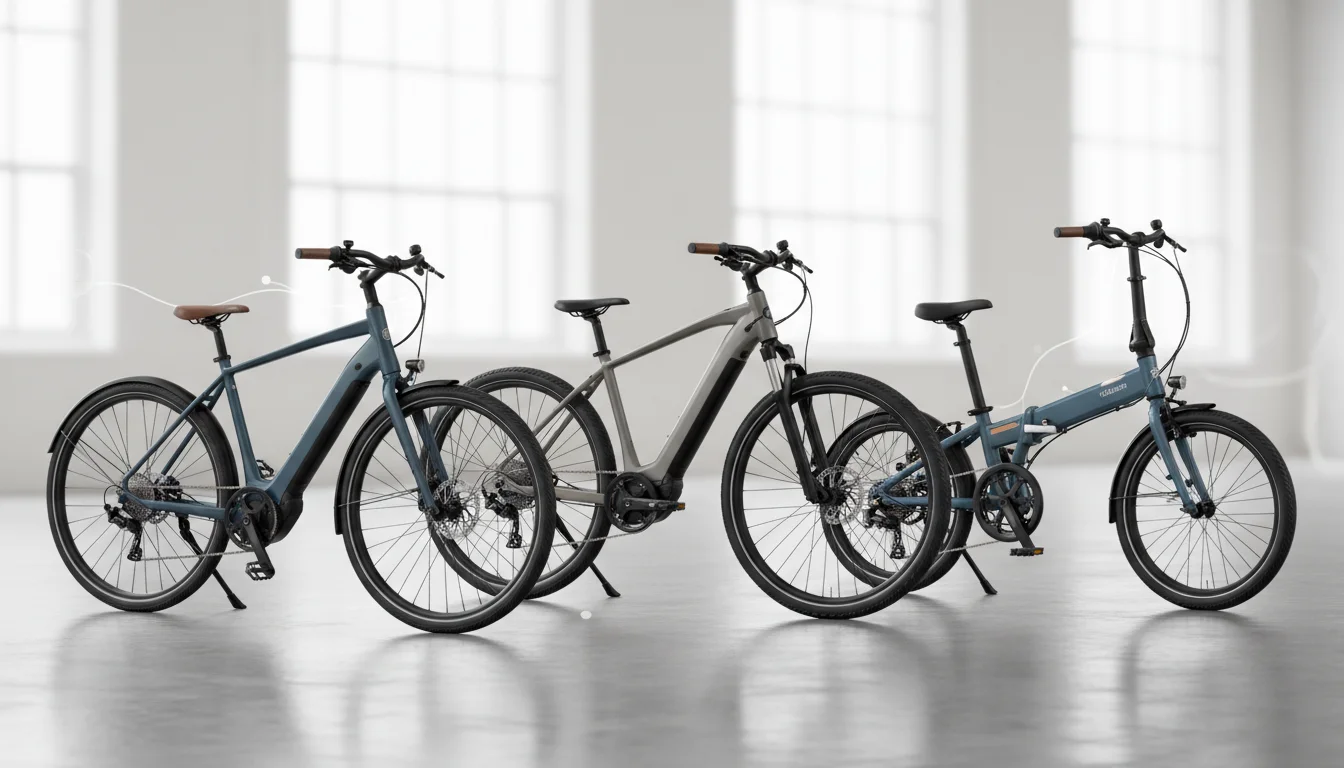
Premium manufacturers and budget brands alike now offer torque sensor models, with prices spanning from under $1,500 to above $7,000.
| Brand | Notable Models | Price Range | Motor Type | Standout Feature |
|---|---|---|---|---|
| Aventon | Soltera, Level.2 | $1,400-$1,800 | Hub | Balanced price/performance |
| Lectric | XPremium | ~$1,799 | Mid-drive | 140 Nm torque, dual battery option |
| Specialized | Turbo line | $3,000+ | Mid-drive | Premium sensor integration |
| Trek | Domane+ | $3,000+ | Bosch mid-drive | Industry-leading sensor accuracy |
| Giant | Various | $2,500+ | SyncDrive | Seamless frame integration |
| Cannondale | Various | $2,500+ | Bosch/Shimano | Traditional bike brand quality |
| Ride1Up | Prodigy, Turris | $1,500-$2,000 | Mid-drive | Budget torque sensing |
| Velotric | Various | $1,200-$1,600 | Hub | Entry-level torque option |
| Rad Power | Select models | $1,800+ | Hub | Expanding premium lineup |
The Lectric XPremium stands out at its price point. It packs a 500W nominal mid-drive motor with 140 Nm peak torque, dual battery support, and a shift sensor—all for $1,799. Electrek calls this feature set typical of bikes costing $3,000 or more.
Trek and Specialized command higher prices for good reason. Their Bosch and proprietary systems deliver the smoothest power curves in the industry. Fair warning: once you ride a premium torque sensor bike, budget options feel noticeably less refined.
Price Ranges: What to Expect for Torque Sensor Ebikes
Entry-level torque sensor ebikes start around $1,200, with premium models reaching $7,000 or more. Each tier brings measurable improvements in sensor responsiveness and component quality.
Budget Tier ($1,200-$1,800):
- Brands: Ride1Up Vorsa, Velotric, Aventon Soltera 2.5
- Features: Hub motors with torque sensing, hydraulic disc brakes, 30-60 mile range
- Trade-offs: Heavier frames, basic displays, slower sensor response
Mid-Range ($1,800-$3,000):
- Brands: Lectric XPremium, Aventon Level 3, Denago
- Features: Mid-drive motors, refined torque calibration, Samsung/LG battery cells
- Sweet spot: Best value for daily commuters and weekend riders
Premium ($3,000-$6,000):
- Brands: Specialized Turbo, Trek Domane+, Giant, Tern HSD
- Features: Bosch/Shimano STEPS systems, lightweight frames, integrated lighting
- Worth it: Frequent riders covering 50+ miles weekly
High-End ($6,000+):
- Brands: Tern GSD S10, carbon road ebikes
- Features: Carbon frames, performance drivetrains, race-ready torque response
- For: Enthusiasts prioritizing weight and performance
Torque sensor ebikes hold resale value better than cadence models. The superior ride experience keeps demand strong in the used market. Leoguar Bikes emphasizes that paying more upfront for torque sensing pays dividends over years of smoother riding.
Best Use Cases: Who Should Choose a Torque Sensor Ebike?
Riders seeking natural power delivery and efficient battery use benefit most from torque sensor technology. Casual riders wanting simple throttle-style assistance might find cadence sensors sufficient.
Ideal candidates for torque sensors:
- Commuters: Stop-and-go traffic demands precise power control. Torque sensors prevent the lurching starts that cadence systems produce at intersections.
- Fitness riders: You still get a workout. The motor amplifies effort rather than replacing it. Pedal easy, get light assist. Push hard, get more power.
- Hill climbers: Proportional assistance prevents the jerky acceleration that cadence sensors deliver on inclines. Power builds smoothly as grades steepen.
- Traditional cyclists: The natural feel appeals to riders transitioning from acoustic bikes. There's no learning curve or adjustment period.
- Long-distance riders: Better battery efficiency extends range. Touring and adventure riders squeeze more miles from each charge.
Skip torque sensors if:
- You prefer throttle-only riding
- Your routes stay flat and short
- Budget is your primary concern
- You want maximum simplicity
I test rode a cadence sensor commuter for two weeks before switching to torque sensing. The difference felt like upgrading from a flip phone to a smartphone—everything worked, but the experience gap was enormous.
Maintenance and Durability Considerations
Torque sensors require minimal maintenance beyond standard bike care. Quality units from reputable brands last 5-10 years without issues.
- Reliability: No moving parts in the sensor itself. Failures are rare on properly engineered systems.
- Protection: Bottom bracket integration shields sensors from water, mud, and impact damage.
- Common issues: Calibration drift over time (fixable via software), water ingress on budget models.
- Service access: Integrated designs are harder to repair. Factor this into brand selection.
- Warranty coverage: Choose brands offering 2+ year warranties on electrical components.
The Bosch and Shimano STEPS systems have the longest track records. Independent shops stock parts and have diagnostic tools. Lesser-known brands might leave you searching for service options.
Here's the reality: torque sensors fail less often than chains stretch or brake pads wear. Standard maintenance matters more than sensor-specific concerns.
FAQ
Do all mid-drive ebikes have torque sensors?
Most mid-drive ebikes include torque sensors because the motor placement requires pedal force data for smooth operation. However, some budget mid-drives use cadence sensors, so verify before purchasing.
Can I add a torque sensor to my existing ebike?
Aftermarket torque sensor kits exist but require significant technical skill to install. Compatibility varies by frame and motor type. Most riders find buying a torque-equipped bike simpler than retrofitting.
How do I know if an ebike has a torque sensor?
Check the specifications for "torque sensor" or "torque sensing pedal assist." Cadence-only bikes list "cadence sensor" or "rotation sensor." When specs are unclear, contact the manufacturer directly.
Do torque sensors make ebikes harder to pedal without power?
No. The sensor adds negligible resistance. Torque sensor ebikes pedal normally when the motor is off, and mid-drive systems with torque sensors feel most natural without assistance.
Which torque sensor brand is most reliable?
Bosch and Shimano STEPS have the strongest reliability records. Both offer extensive dealer networks and long-term parts availability. Proprietary systems from Specialized and Trek also perform well.
Are torque sensors worth the extra cost for casual riders?
Casual riders covering short, flat distances might not notice enough difference to justify the premium. The benefits become apparent on hills, longer rides, and stop-and-go commuting.
How does weather affect torque sensor performance?
Quality torque sensors are sealed against moisture and temperature changes. Budget models with poor sealing can develop calibration issues in wet conditions. Stick with reputable brands for all-weather reliability.
Share this post
Related Posts
Why Is My Ebike Throttle Not Working? 8 Common Causes and Fixes
Why Is My Ebike Throttle Not Working? 8 Common Causes and Fixes
Can E-Bikes Be Ridden in the Rain? Complete Guide to Wet Weather Riding in 2026
Can E-Bikes Be Ridden in the Rain? Complete Guide to Wet Weather Riding in 2026
Do You Need a Driver's License for an E-Bike? 2026 State-by-State Guide
Do You Need a Driver's License for an E-Bike? 2026 State-by-State Guide